


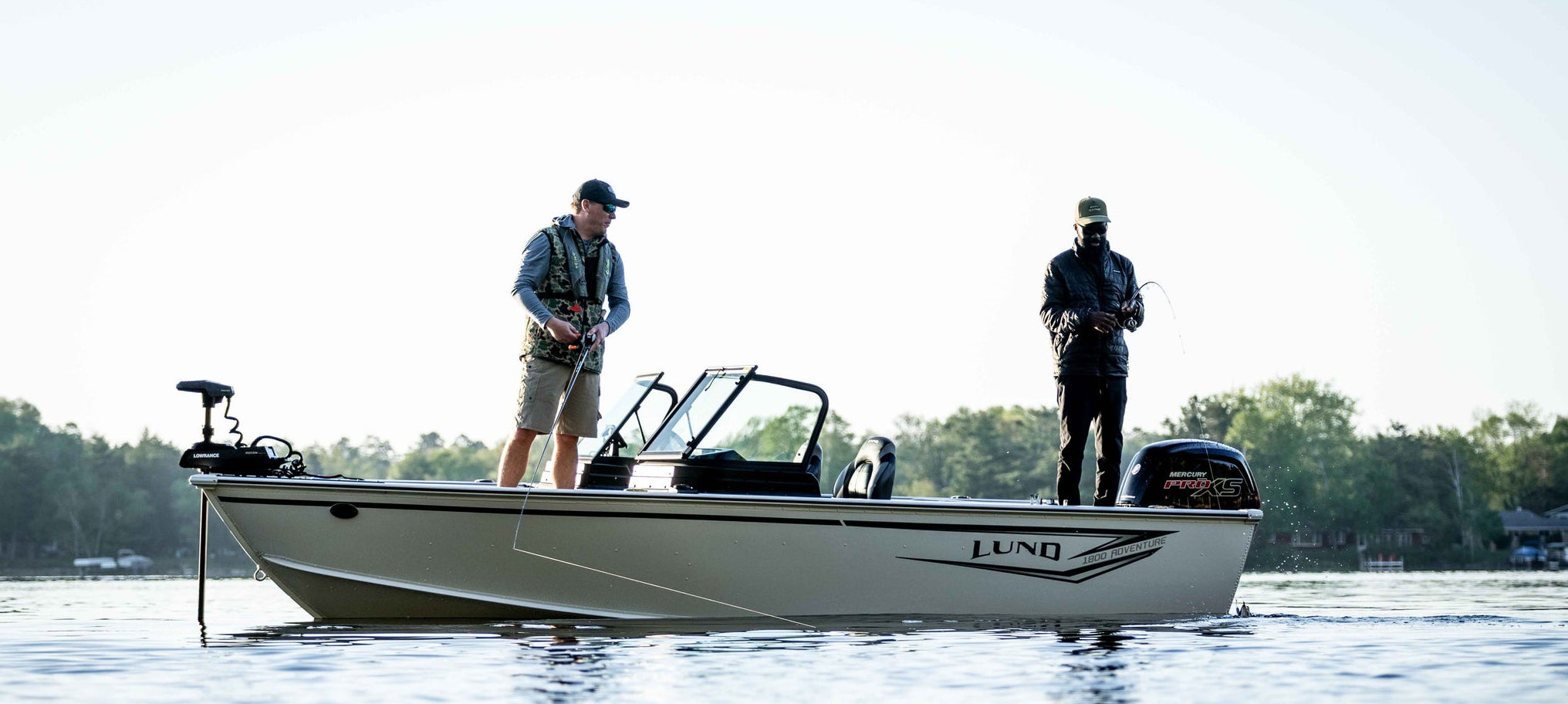
10 SMART TIPS FOR SAFE BOATING
The information provided is for general informational purposes only. This information is based on the author’s personal experience and does not constitute financial or legal advice. You should consult with a professional and/or conduct your own independent research to verify any information in this post prior to making a financial decision or otherwise.
Tips for Staying Safe While Boating
Whether you're an experienced captain or a first-time boater, follow these ten essential boat safety tips for a secure and enjoyable experience on the water:
Wear Your Life Jacket Always
The paramount safety measure on the water, wearing a life jacket is crucial. Ensure each person has a Coast Guard-approved life jacket, regularly inspecting and testing buoyancy.
Avoid Drinking and Boating
Boating under the influence is illegal and a major contributor to accidents. Designate a "sober skipper" if alcohol is part of your day on the water, prioritizing safety for everyone on board.
Heightened Situational Awareness
Boats lack brakes, emphasizing the need for heightened situational awareness. Be prepared for evasive maneuvers, maintain awareness of swimmers, and stay updated on boating skills through resources like boatclass.com.
Adhere to Vessel Capacity Limits
Know and adhere to your boat's maximum capacity, avoiding overloading to prevent performance issues and potential capsizing. Check the U.S. Coast Guard-required decal inside the boat for information.
Stay Informed About Weather Conditions
Check the local forecast before setting sail. Rain is inconvenient, but wind and lightning pose significant threats. Familiarize yourself with the safest route back to the marina in case of adverse weather.
Maintain a Vigilant Lookout
Assign someone on board as a lookout, scanning for obstacles, other vessels, or changes in weather conditions. A vigilant lookout enhances overall safety on the water.
Equip Your Boat with Essential Safety Gear
Ensure your boat is equipped with safety gear, including fire extinguishers, navigation lights, a sound-producing device, and an anchor. Regularly inspect and maintain these items to guarantee functionality when needed.
Adhere to Navigation Rules
Understand and adhere to navigation rules, enhancing predictability on the water and reducing the risk of collisions.
Learn Basic First Aid
Basic first aid knowledge is invaluable on the water. Be prepared to handle common injuries or emergencies until professional medical assistance can be reached. Consider taking a boater's first aid course for comprehensive training.
Develop a Float Plan
Before departure, inform someone ashore of your boating plans. Provide details such as your destination, expected return time, and the number of people on board. A float plan aids search and rescue efforts in case of an emergency.
Embark on your boating journey with these tips, ensuring that every adventure is not only enjoyable but, above all, safe.
This website does not provide financial or legal advice. The information available on this website is provided for general informational and educational purposes only and is not a substitute for professional advice. You should consult with the appropriate professionals prior to making any financial decisions. YOUR USE OR RELIANCE ON ANY OF THE INFORMATION PROVIDED HEREIN IS SOLELY AT YOUR OWN RISK. UNDER NO CIRCUMSTANCE SHALL WE HAVE ANY LIABILITY TO YOU FOR ANY LOSS OR DAMAGE OF ANY KIND INCURRED AS A RESULT OF THE USE OR RELIANCE ON ANY INFORMATION PROVIDED.